Football has been proving this for decades. It’s a lesson a lot of small businesses learn the hard way too.
Alan Shearer. One of the greatest strikers the Premier League has ever seen. Natural leader on the pitch, wore the armband with pride, scored goals that people still talk about. Newcastle gave him the manager’s job in 2009 to save them from relegation. Eight games, five points, relegated. He hasn’t managed since.
Thierry Henry. Wayne Rooney. Steven Gerrard – all giants of the game, all found management a completely different proposition from playing. The skill that made them exceptional on the pitch – the instinct, the individual brilliance, the ability to read the game from inside it – turned out to be different from what running a team from the dugout requires.
A familiar pattern in business
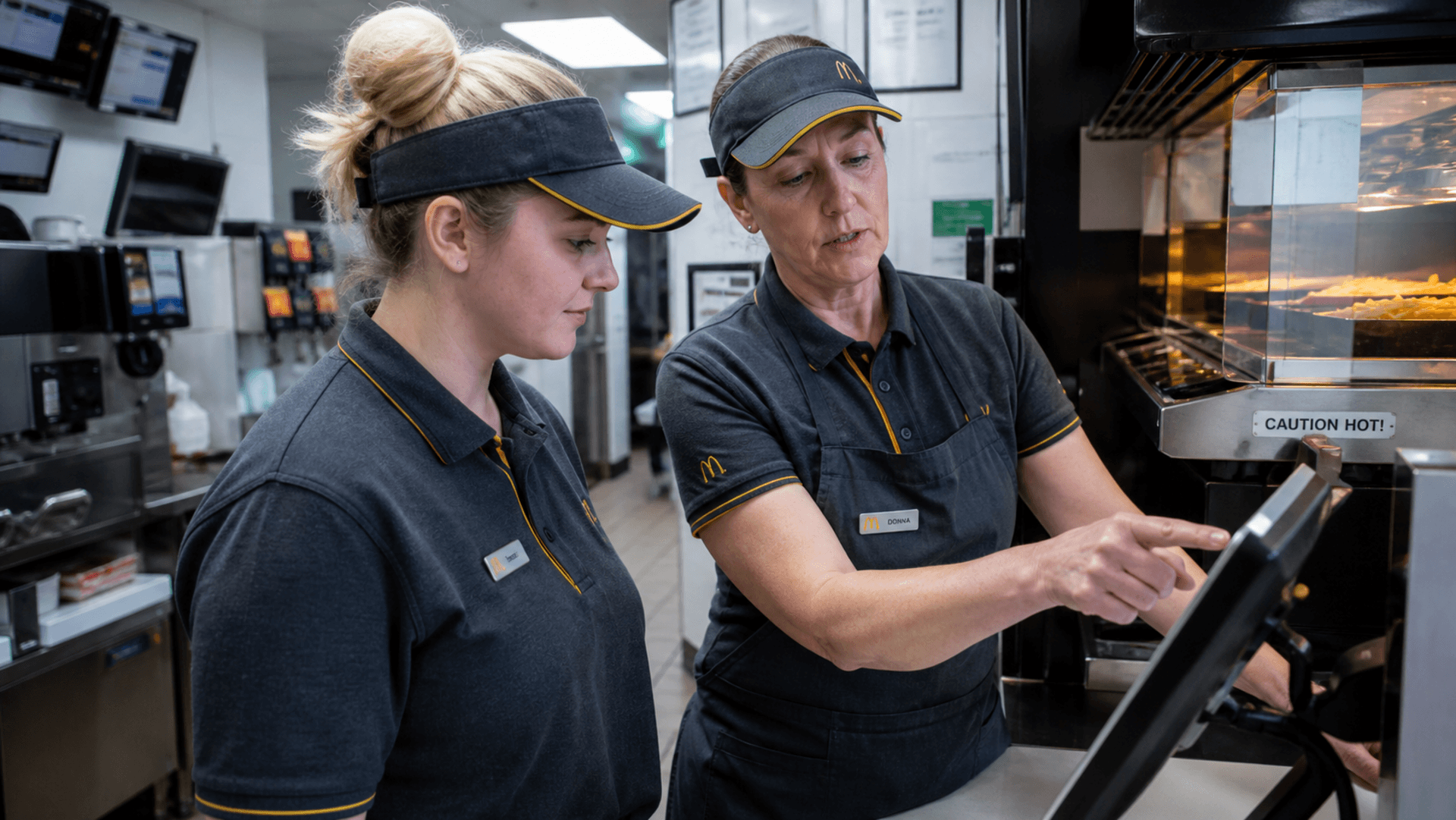
It’s the same story in small business, played out every day in companies nobody writes about. Your best salesperson gets promoted to sales manager. Your most talented technician becomes head of operations. Your sharpest customer service person takes on the team leader role. It feels like the obvious move – they know the job inside out, the team respects them, and frankly you need someone in that role you can trust.
Six months later, the results aren’t there, the team is unsettled, and you’re wondering what went wrong.
What went wrong is that being brilliant at a job and being able to lead the people who do it are two completely different things. The best players see the game through their own eyes. A manager has to see it through everyone else’s. That switch doesn’t happen automatically, and for a lot of people it never happens at all without the right support.
The accidental manager problem
What makes it worse in small business is that the newly promoted manager rarely gets any real preparation for the role. They’re handed the title, maybe a pay rise, and left to figure it out. There’s no clear OurWay for how things are led in this business, no training in how to give feedback, no guidance on how to have the conversations that management actually requires. They default to doing what they’ve always done – the technical work they’re good at – and the managing people bit gets quietly ignored because nobody ever showed them what it looked like.
They’re called accidental managers, and almost every small business has at least one. They stumbled into leadership rather than choosing it, and without proper support they tend to do one of three things:
- they go on a power trip, trying to control everything and every one
- they try to do everyone else’s job for them
- they sit back and hope everything holds together on its own
As a result – the team suffers, the customers feel it, and the business pays the price.
Building leaders deliberately
If you want to grow leaders, you have to do it deliberately. That means being clear about what a good manager looks like in your business, and giving them the training and support to get there, rather than throwing them in and hoping for the best.
Promoting someone without preparing them is a gamble, and the people who lose most are rarely the ones who took it.